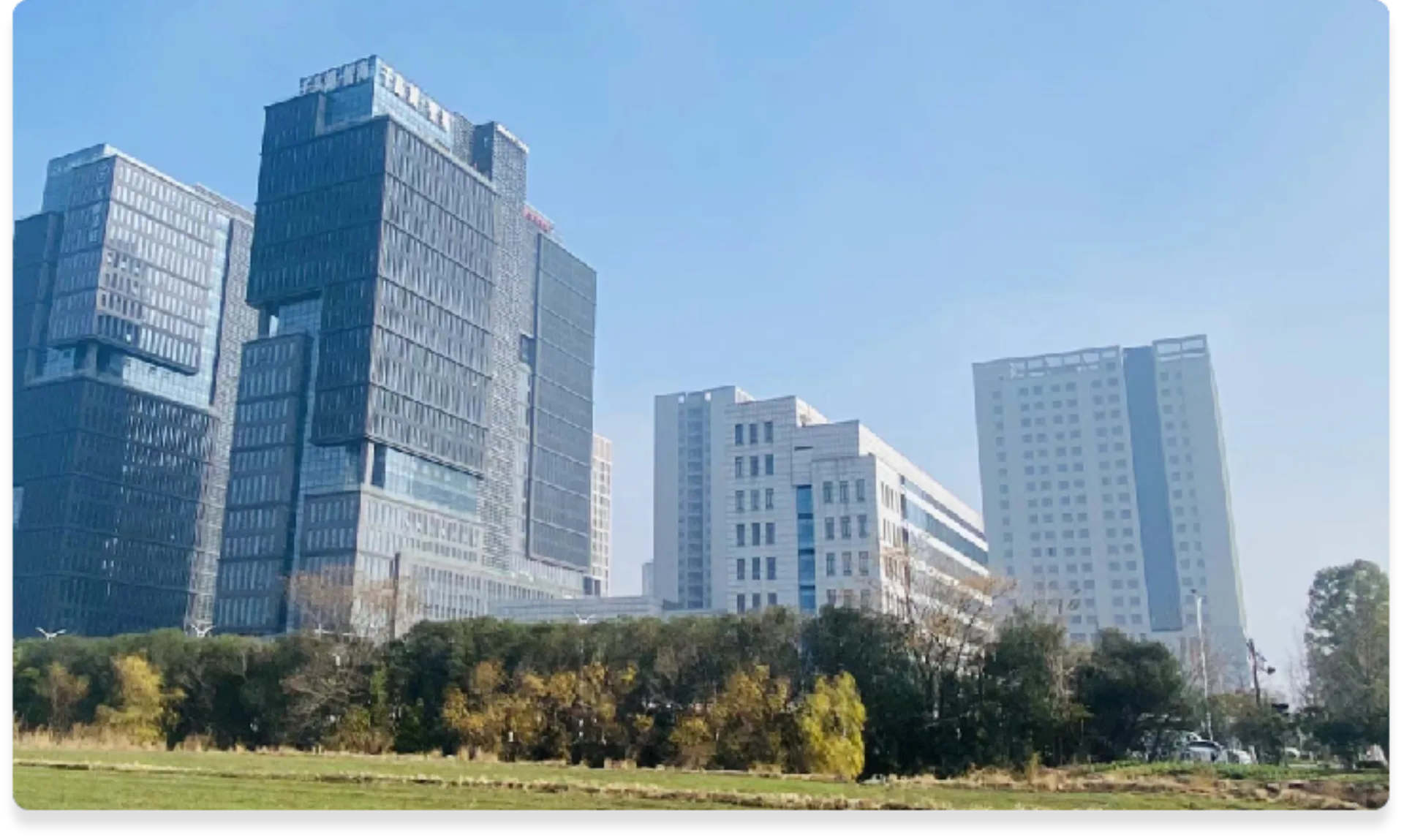
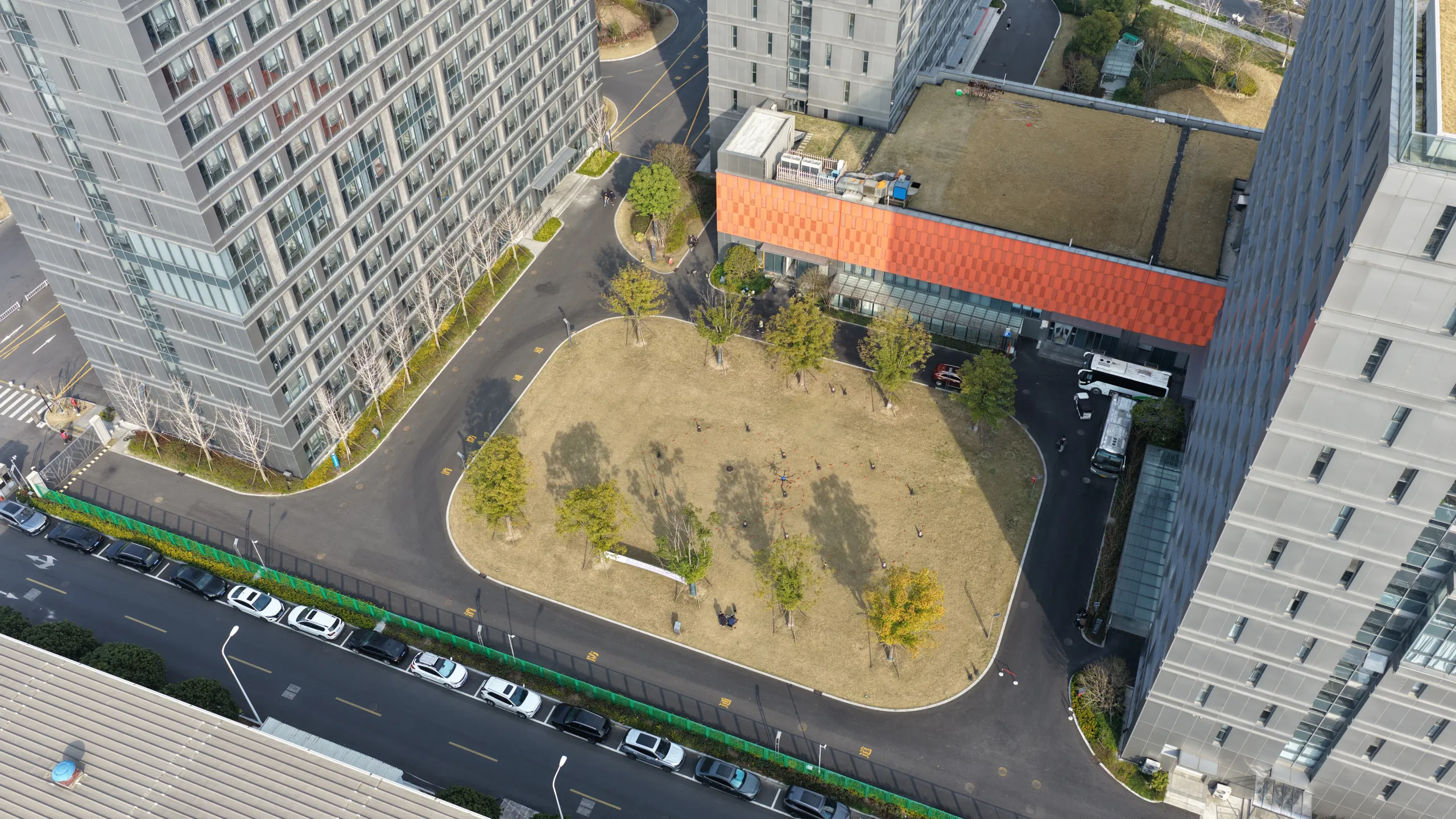
Aerial view of the Zhejiang High-Quality Employment Base
Zhejiang Talent Development Group logo
Job placement program

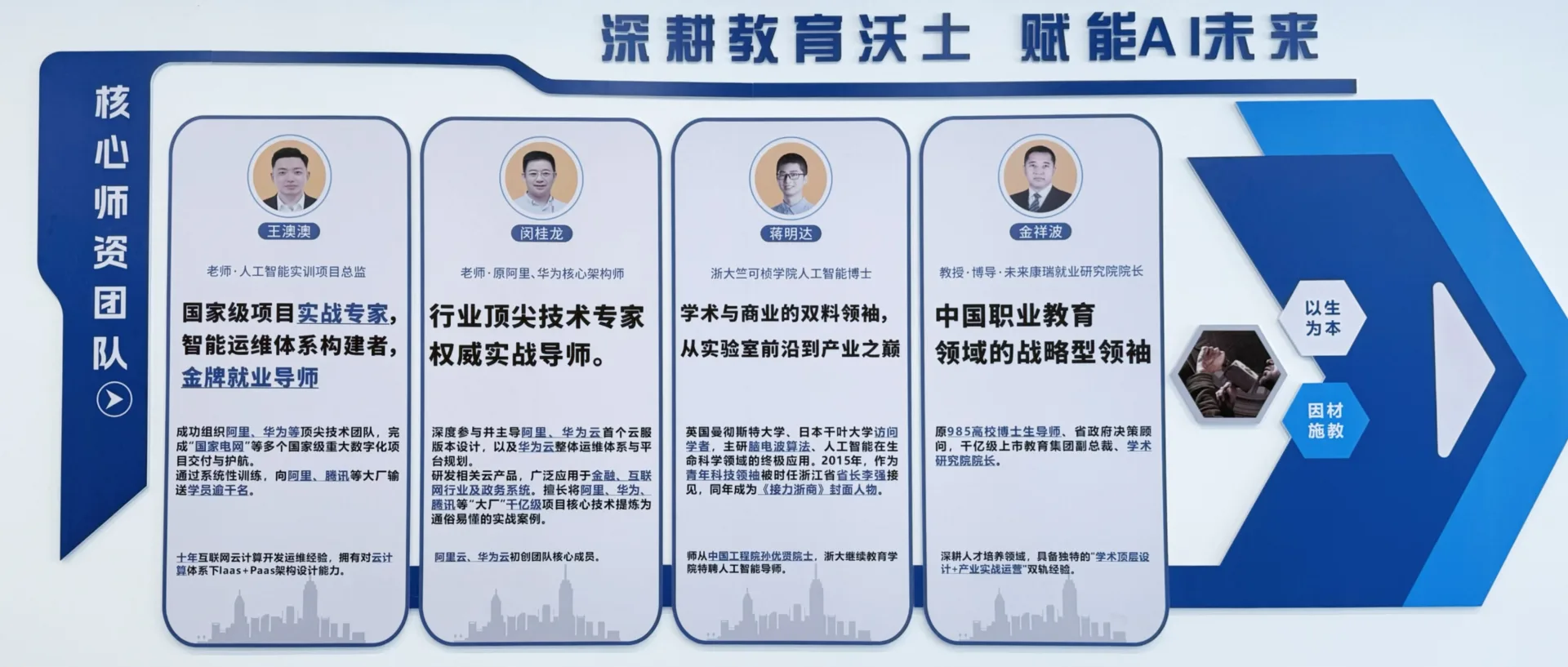
Zhejiang Talent Development Group High-Quality Employment Base

Career transition and upskilling through in-person training in Hangzhou, enterprise-style projects, staged assessment, and job-search support. Each of the three courses enrolls under its own curriculum and service terms.

State-owned group backingFull fee refund when contractual placement conditions are unmetIn-person in Hangzhou
Zhejiang Talent Development Group logo

Backed by the Zhejiang Talent Development Group system

Group affiliation, a written agreement, and a physical base establish program credibility

The program operates through the Zhejiang Talent Development Group High-Quality Employment Base. Training and placement agreements are executed and performed by Zhejiang Economic and Information Technology Education and Training Center Co., Ltd., which is wholly owned by the Group.

A wholly owned service provider

The contracting provider belongs to the Zhejiang Talent Development Group system, with the responsible party and service relationship identified in the written agreement.

Documented training and referral services

Training, assessment, career coaching, job referrals, and performance conditions are documented in writing, with service records retained.

An operating base in Hangzhou

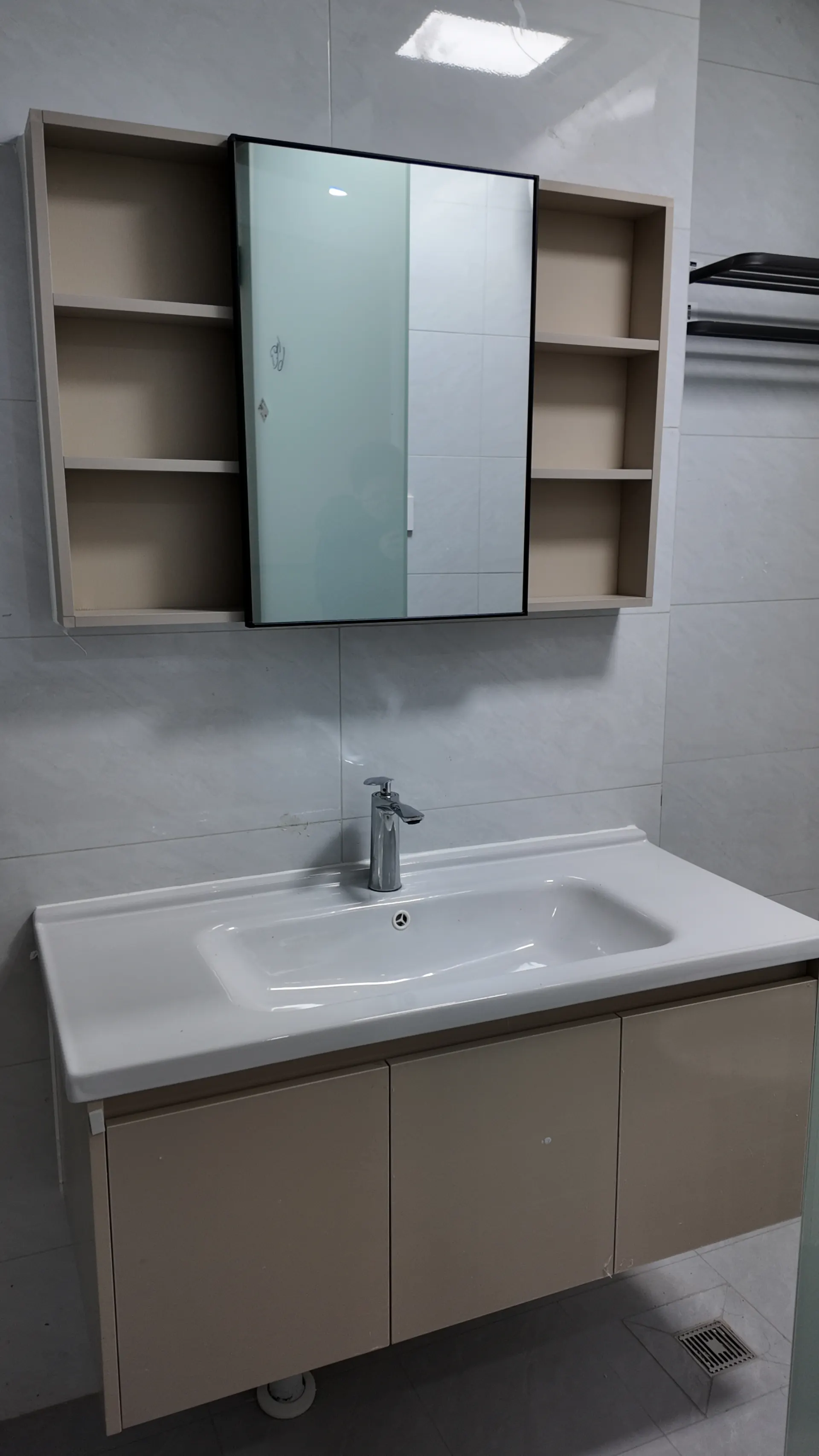
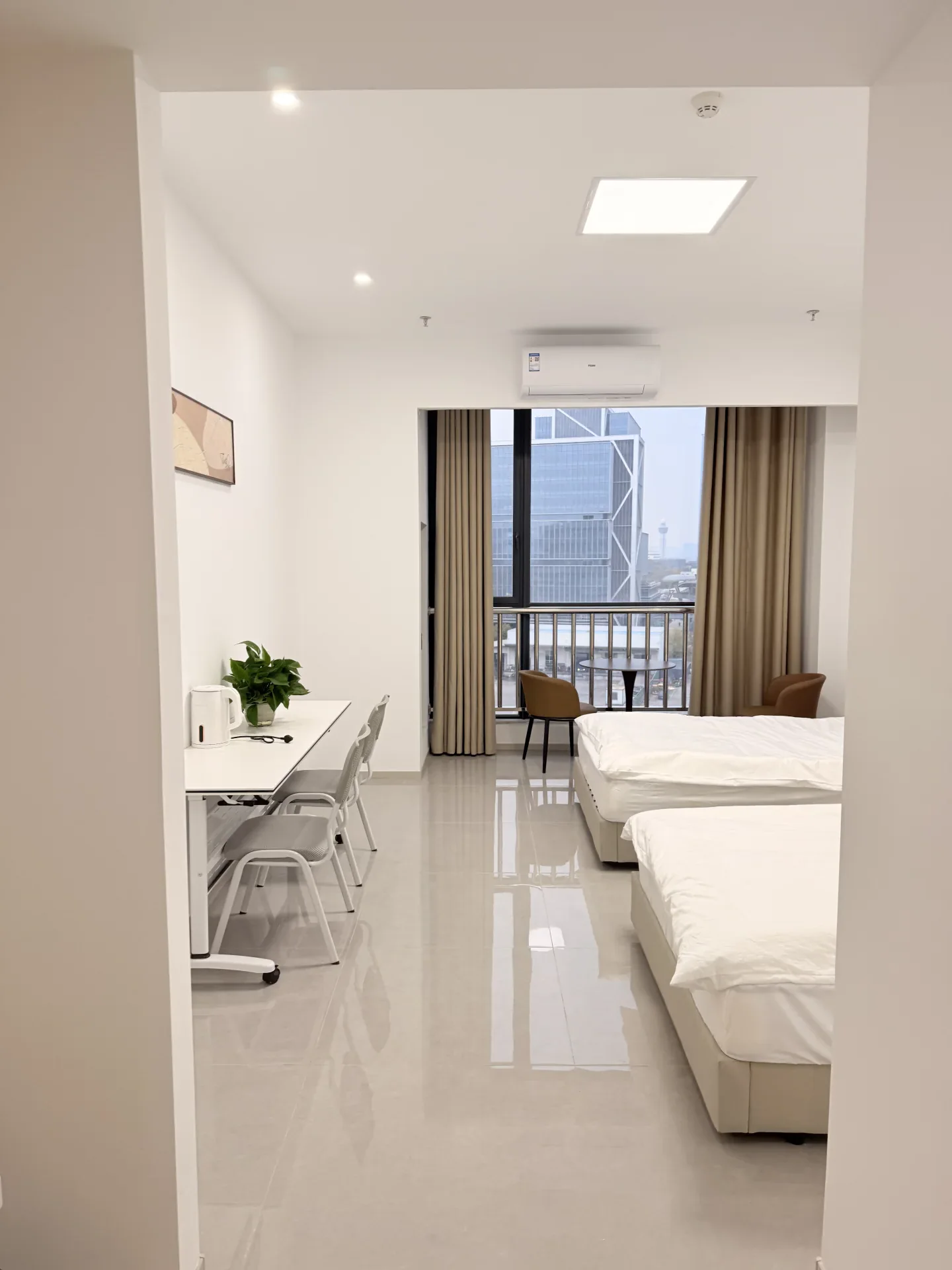
The three courses are delivered in person in Qiantang District, with dedicated teaching, practice, and living spaces.

Group affiliation and base backing identify the program and its delivery foundation. They do not constitute a government guarantee, named-employer placement, or unconditional employment promise.

Training at the base

Selected cohort scenes

These are selected on-site materials currently available to show the teaching and training environment. The amount of footage does not indicate the operating status of each track.
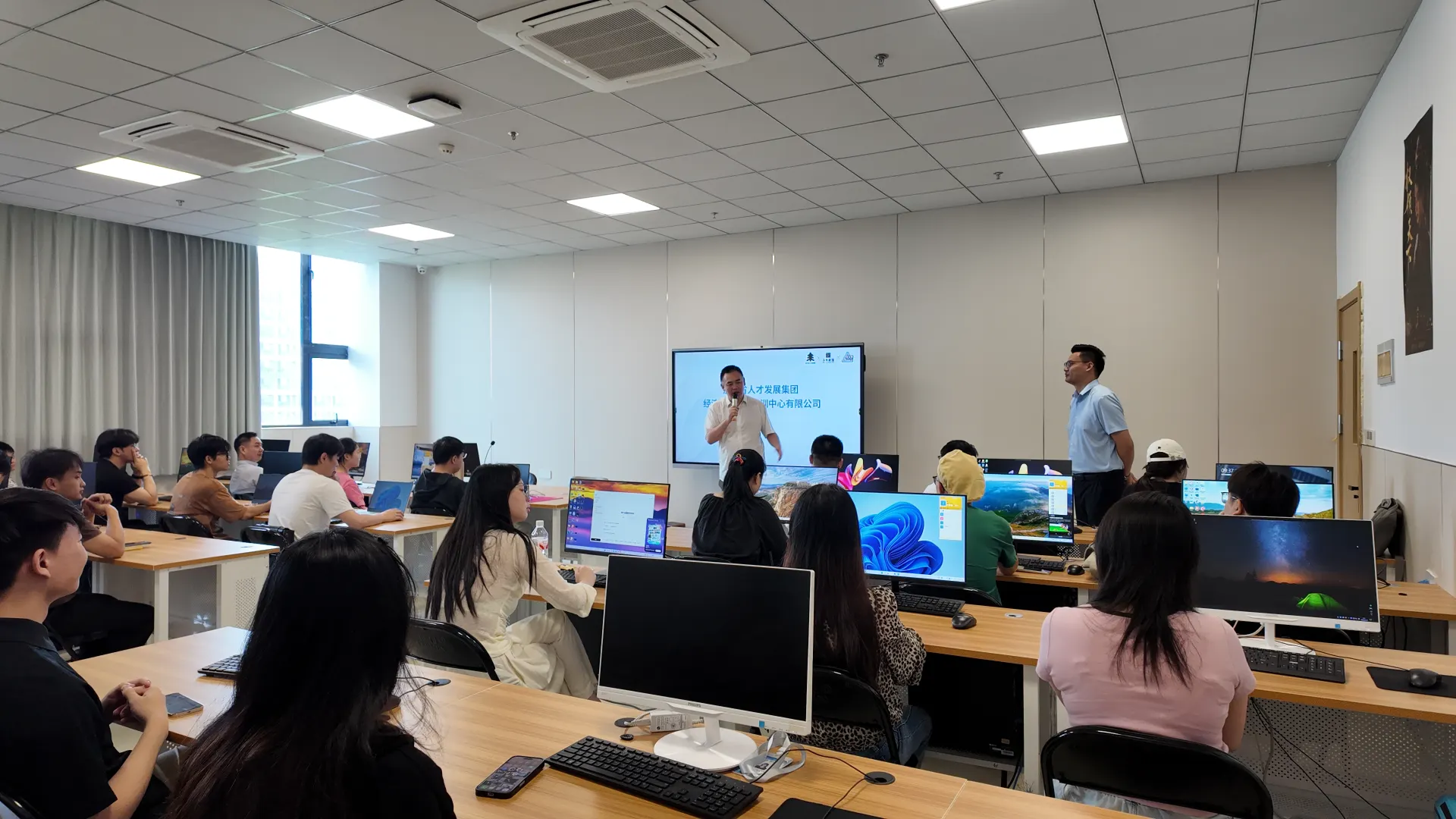
Full-Pipeline AIGC cohort opening

August 18, 2026

Full-Pipeline AIGC cohort opened

Learners began training in screenwriting, AI video production, and portfolio development.
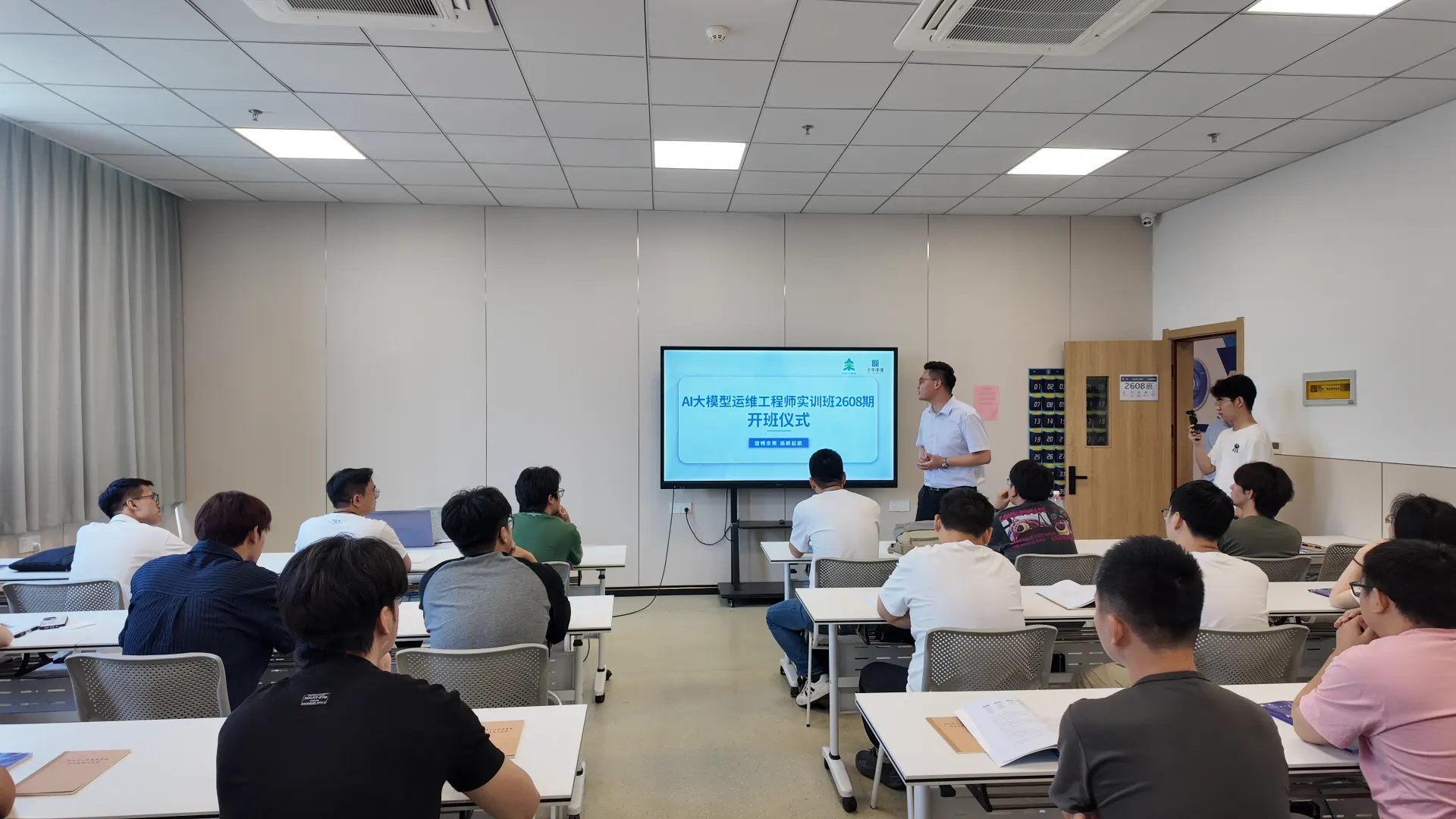
AI Model Operations cohort opening

August 26, 2026

AI Model Operations cohort opened

Training covers Linux, cloud native systems, GPU clusters, model deployment, and intelligent operations.

Training tracks

Three courses, assessed and contracted separately

Fees reflect current program materials. Salary figures are role references, not unconditional hiring or income promises.

Engineering course

AI Model Operations Engineer

Career course

A three-layer progression through infrastructure, architecture and automation, and cloud and AI, covering Linux, databases, Docker, Kubernetes, GPU clusters, and model deployment operations.

Training

90 days / 600+ hours

Referral period

Within 3 months

Role salary reference

CNY 8,000-15,000+/month

Training fee

CNY 26,800

Target roles:Model operations, compute operations, cloud operations, AI delivery

AI Model Operations Engineer

Core advantages

A three-layer path from infrastructure fundamentals to cloud and AI compute operations
A complete skill chain spanning networking, containers, automation, GPUs, and model deployment
Enterprise-style scenarios focused on troubleshooting, reliability, and cost awareness
Project work that can support a portfolio and technical interviews

Curriculum stages

01

Foundation | Infrastructure
20 days

Stage goal:Build networking, Linux, web-service, and database fundamentals for reliable application environments.

Core topics

  • TCP/IP, address planning, and basic network topology
  • Linux systems, permissions, services, and logs
  • Nginx deployment, virtual hosts, and troubleshooting
  • Relational database deployment, backup, and operations

Stage deliverable:Build and maintain a complete basic application environment independently.

02

Structure | Architecture and automation
30 days

Stage goal:Build highly available architectures and automate delivery and container scaling.

Core topics

  • High availability, load balancing, monitoring, and alerts
  • Git, CI/CD pipelines, and automated deployment
  • Docker images, networks, storage, and runtime operations
  • Kubernetes workloads, services, Ingress, and Helm

Stage deliverable:Deliver an automated path from code commit to cluster deployment.

03

Cloud and intelligent AI
40 days

Stage goal:Deploy, operate, and optimize production-grade model applications on cloud and AI compute infrastructure.

Core topics

  • Cloud high-availability architecture and core cloud services
  • GPU containerization, scheduling, pooling, and monitoring
  • Large-model inference deployment and performance tuning
  • Balancing quality, performance, reliability, and cost

Stage deliverable:Complete a demonstrable model-operations project with technical documentation.

Graduate capabilities and portfolio

  • Troubleshoot Linux, networking, databases, and web services
  • Build CI/CD and manage Docker and Kubernetes production workloads
  • Deploy and monitor GPU clusters and large-model inference services
  • Present enterprise-style projects through documentation and interviews

Who it is for

  • People pursuing AI infrastructure, model operations, or compute operations roles
  • Applicants with a full-time college degree or above who meet program review requirements
  • Learners prepared for intensive in-person practice and staged assessments

Enrollment requirements

  • A full-time college degree or above; graduation-year and major requirements follow the current cohort review.
  • Ability to attend 90 days of in-person training in Hangzhou and complete required attendance, assignments, and assessments.
  • Accurate education and personal information must be submitted for program-fit review.
  • Job-referral and refund protection require compliance with every condition in the agreement actually signed.

Course brochure

Yiyuan Yinghua AI Academy AI Model Operations Engineer admissions brochure
Consult about this track

Full-pipeline creative course

AI Short-Drama Masterclass

Career course

Two weeks of writing and direction, three weeks of production, and one week of portfolio development spanning AI scripts, storyboards, video generation, final delivery, and career portfolios.

Training

6 weeks

Referral period

Within 2 months

Role salary reference

CNY 7,000-15,000+/month

Training fee

CNY 26,800

Target roles:AIGC director, AI short-drama producer, AI video creator, short-drama writer

AI Short-Drama Masterclass

Core advantages

Six weeks connecting writing, direction, production, and portfolio development into one workflow
Practice-led learning through scripts, storyboards, shots, and complete films
Seven-dimension review covering narrative, storyboard, consistency, generation quality, sound, editing, and delivery
Training for both independent production and review, coordination, and project retrospectives

Curriculum stages

01

W1 | AI scripts and story structure
Week 1

Stage goal:Learn commercial short-drama positioning, structure, and AI-assisted writing.

Core topics

  • Audience, market, and genre positioning
  • Ideation, three-act structure, and character goals
  • Long-form logic review and story continuity
  • Trend insight, opening hooks, and benchmark analysis

Stage deliverable:Complete the first episode of an original script and a benchmark report.

02

W2 | Storyboards and directorial expression
Week 2

Stage goal:Turn scripts into executable storyboards with clear visual language and pacing.

Core topics

  • Vertical storyboards, shot size, camera position, and rhythm
  • Lighting, composition, color, and movement
  • Blocking, visual focus, and emotional atmosphere
  • Directorial thinking and commercial narrative judgment

Stage deliverable:Complete a production-ready storyboard and visual treatment.

03

W3-W4 | Visual assets and motion generation
Weeks 3-4

Stage goal:Create still and moving shots while maintaining character, scene, and style consistency.

Core topics

  • Character, costume, location, and prop design
  • Style locking, composition, and lighting quality
  • Prompt iteration and production-ready image generation
  • Action, camera movement, stability, and usable-shot control

Stage deliverable:Build a consistent visual asset library and a continuous shot sample.

04

W5 | Final production and commercial delivery
Week 5

Stage goal:Complete editing, sound, quality control, and platform-ready delivery.

Core topics

  • Editing rhythm, captions, music, sound effects, and transitions
  • Successful-format analysis and data-informed retrospectives
  • Cross-platform review requirements and submission materials
  • File naming, project archiving, and version control

Stage deliverable:Deliver a complete AI short drama and standardized delivery package.

05

W6 | Graduation project and career portfolio
Week 6

Stage goal:Polish a representative work to commercial standards and prepare to present it in interviews.

Core topics

  • Graduation production and focused refinement
  • Seven-dimension quality review and correction
  • Coordination, review, and iteration retrospectives
  • Portfolio sequencing, project notes, and interview preparation

Stage deliverable:Create a tiered portfolio containing scripts, storyboards, final video, and process documentation.

Graduate capabilities and portfolio

  • Independently complete the workflow from script adaptation to final video
  • Control character and scene consistency, shot generation, and post-production delivery
  • Apply seven-dimension quality review and project retrospectives
  • Build a complete representative project for role applications

Who it is for

  • Film and video creators, short-drama creators, and independent content professionals
  • People pursuing AIGC content-production and AI video roles
  • Career changers prepared for intensive, portfolio-led practice

Enrollment requirements

  • The course accepts beginners; education and graduation-year eligibility for job-referral services follows the current cohort review.
  • Ability to attend six weeks of in-person training in Hangzhou and complete weekly script, storyboard, final-film, and portfolio work.
  • Basic computer skills and willingness to revise work through repeated quality review.
  • Job-referral and refund protection require compliance with every condition in the agreement actually signed.

Course brochure

AI Short-Drama Masterclass curriculum
Consult about this track

Digital arts course

3D Game Animation Career Program

Career course

Progresses from rigging, character motion, and animation detail to Unity/UE integration, project practice, and a polished job-search portfolio.

Training

20 weeks

Referral period

Within 3 months

Role salary reference

CNY 8,000+/month

Training fee

CNY 49,800

Target roles:Game animator, character animator, film animator, VR/AR motion artist

3D Game Animation Career Program

Core advantages

A complete animation foundation from rigging to character performance
Coverage of idle, locomotion, combat, reactions, death, animal, and creature motion
Unity and Unreal Engine workflow integration for downstream collaboration
Project simulation and portfolio refinement aligned with role deliverables

Curriculum stages

01

P1 | Rigging, skinning, and pose
Foundation

Stage goal:Understand human anatomy and core 3D animation concepts before motion training.

Core topics

  • Human and character skeleton construction
  • Character, joint, cloth-strip, and hair skinning
  • 3D pose analysis and center-of-gravity control
  • Spatial motion, force transfer, and curve fundamentals

Stage deliverable:Complete production-standard basic character rigs and pose studies.

02

P2 | Core character motion
Core

Stage goal:Create common looping, combat, and reaction animation for game characters.

Core topics

  • Casual and combat idle cycles
  • Walk, run, and jump for different character types
  • Attack, combo, hit reaction, and death
  • Bird, quadruped, and creature motion principles

Stage deliverable:Produce a presentable set of core character animations.

03

P3 | Quality and engine practice
Advanced

Stage goal:Improve motion quality while learning engine integration and production conventions.

Core topics

  • Rhythm, impact, weight, and character expression
  • Unity and Unreal Engine animation-module integration
  • Realistic, traditional Chinese, and stylized animation practice
  • Production simulation, feedback revision, and version management

Stage deliverable:Complete a specialized animation project ready for engine use.

04

P4 | Portfolio and interview preparation
Career

Stage goal:Integrate course work into a role-focused portfolio and interview presentation.

Core topics

  • Work selection, improvement, and shot sequencing
  • Demo reel editing and project notes
  • Role-specific project preparation
  • Project walkthroughs, technical questions, and mock interviews

Stage deliverable:Complete an animation portfolio, demo reel, and interview-ready project explanation.

Graduate capabilities and portfolio

  • Independently rig, skin, and animate common character actions
  • Express weight, rhythm, and character through motion principles
  • Integrate animation assets into Unity or Unreal Engine workflows
  • Build a systematic portfolio for game or film animation roles

Who it is for

  • People pursuing game, film, or virtual-human animation roles
  • Learners seeking a structured foundation in character animation and engine workflows
  • Applicants able to commit to 20 weeks of practice and repeated portfolio refinement

Enrollment requirements

  • Education, graduation-year, and major eligibility for job-referral services follows the current cohort review.
  • Ability to attend 20 weeks of in-person training in Hangzhou and continuously complete exercises, projects, and portfolio refinement.
  • Basic computer skills; art or animation prerequisites follow the enrollment assessment.
  • Job-referral and refund protection require compliance with every condition in the agreement actually signed.

Course brochure

3D Game Animation Career Program admissions brochure
Consult about this track

Agreement protection

When contractual conditions are met but placement is unsuccessful

Full training service fee refund

After completing required attendance, assessments, project defense, application materials, and interview cooperation, learners who do not obtain an offer meeting the track's contractual salary threshold within the agreed referral period receive a full refund under the signed agreement.

This is not an unconditional refund or hiring promise. Eligibility, referral period, salary threshold, and procedure follow the agreement actually signed for the selected track.

Written service terms

Three career courses share clear core agreement mechanisms

The current agreement is titled for AI operations, while its core mechanisms for training, assessment, job referrals, conditional refunds, and follow-up services apply across role tracks. Track-specific duration, fees, and salary thresholds are stated in the agreement actually signed.

The contracting provider is Zhejiang Economic and Information Technology Education and Training Center Co., Ltd., wholly owned by Zhejiang Talent Development Group.

Week 1

Trial and refund window

During the trial period, learners may request a refund of paid training fees, excluding accommodation. The agreement specifies processing within 15 working days.

In person

Role-focused practical training

Courses, project practice, and staged assessments take place at the Qiantang District base. Duration follows the selected track and signed agreement.

Clear fees

Service scope documented

Training, project practice, tutoring, career guidance, and referrals are included. Track fees and exclusions such as accommodation and travel are confirmed separately.

Conditional protection

Contractual refund when referral is unsuccessful

After all attendance, assessment, application, and interview conditions are met, a refund follows the signed agreement if no qualifying offer meeting the track's salary threshold is obtained during the agreed referral period.

2 times in 1 year

Retraining and renewed referrals

Within one year after successful placement, eligible learners may receive up to two free retraining and re-referral sessions, each no longer than seven calendar days.

3 months after entry

Follow-up and accessible records

The service includes workplace follow-up after entry. Learners may inspect their training, assessment, and referral records.

This is a summary, not an unconditional employment, named-employer, or named-city promise. Scope, performance conditions, refund calculations, and processing follow the complete agreement actually signed at enrollment.

On-site footage

See real classrooms and campus spaces

Selected from actual cohort and campus footage with original picture and sound. Individual cohort arrangements may vary.

Zhejiang Talent Group program overview

Program overview, training goals, and career prospects for the Zhejiang Talent Group initiative.

Full-Pipeline AIGC cohort opening

Class introduction and learner arrival on August 18, 2026.

AI Model Operations opening class

Program introduction and classroom interaction on August 26, 2026.

Training-base building

Aerial footage of the Hangzhou training-base building and its surroundings.

Computer labs and living spaces

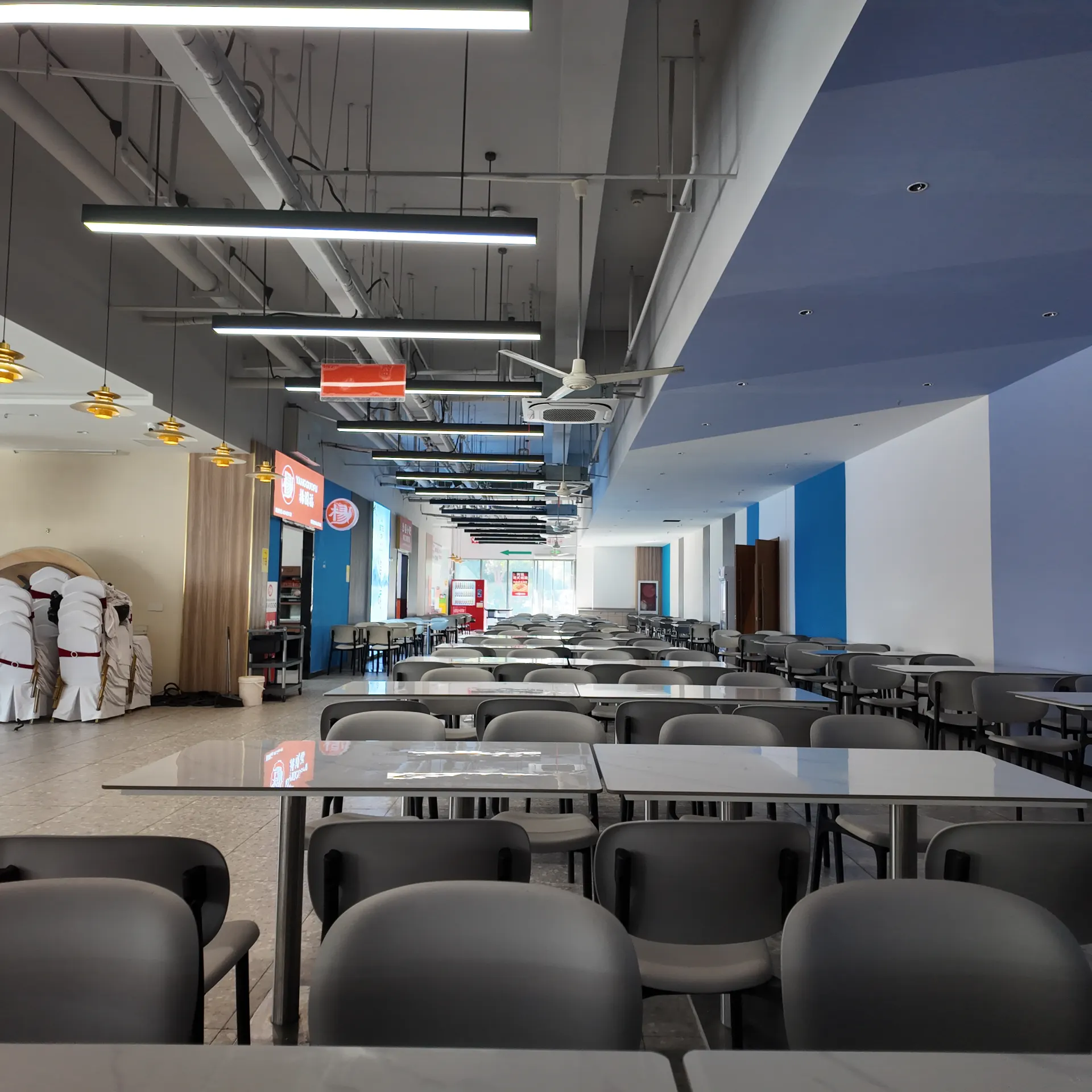
A walk-through of computers, classrooms, accommodation, and dining spaces.

Bunk-room accommodation

A complete tour of the corridor, room layout, and bunk facilities.

Apartment-style accommodation

A tour of daylight, bathroom, bedroom, and storage spaces.

Service process

Complete training before placement

01

Eligibility review

Review education, experience, goals, and track requirements.

02

In-person training

Complete classes, projects, and staged assessments.

03

Career preparation

Refine resumes and portfolios and conduct mock interviews.

04

Job referrals

Match roles based on ability, location, and career preferences.

Campus

Learning and living spaces

In-person training takes place in Qiantang District, Hangzhou, with teaching, practice, accommodation, and dining facilities.
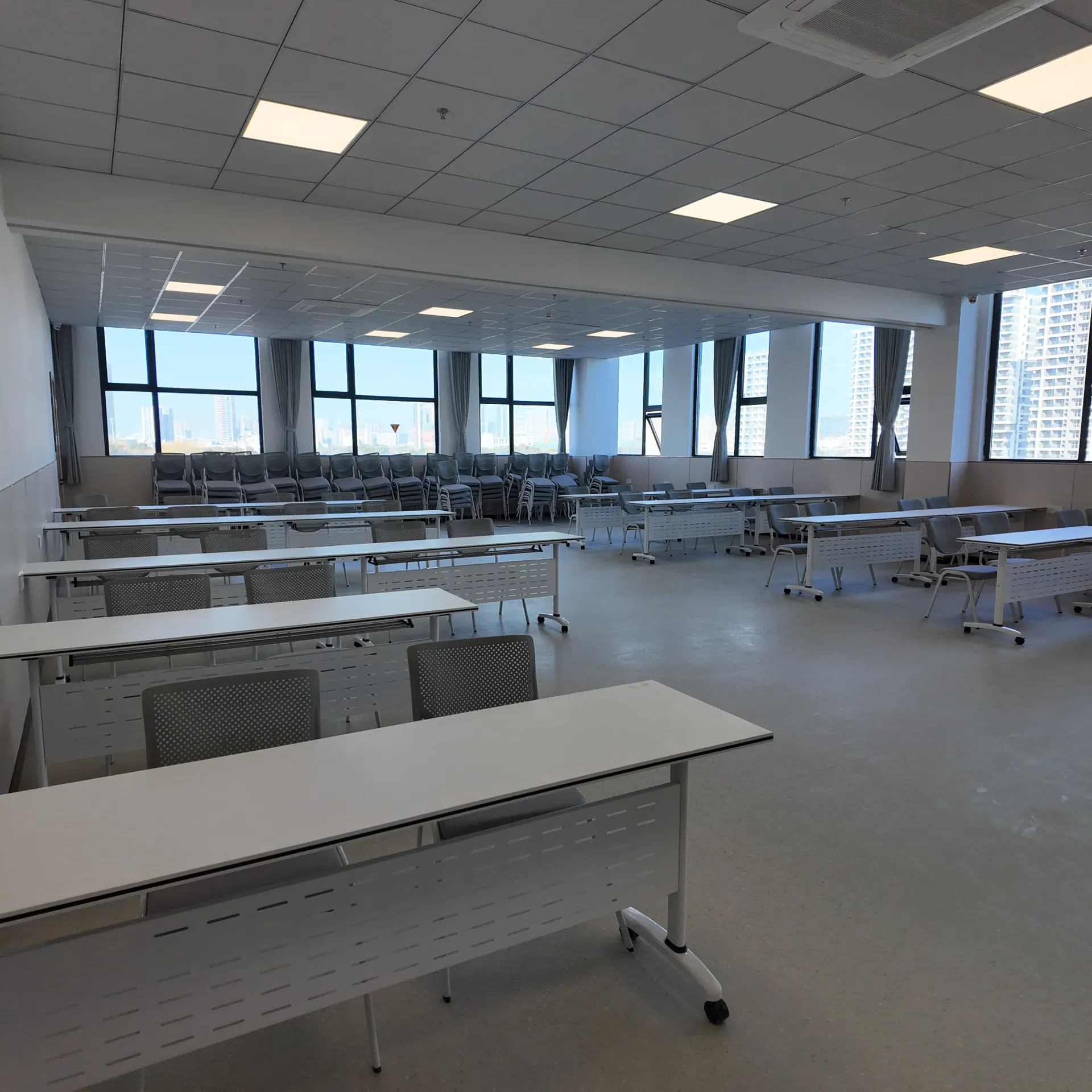
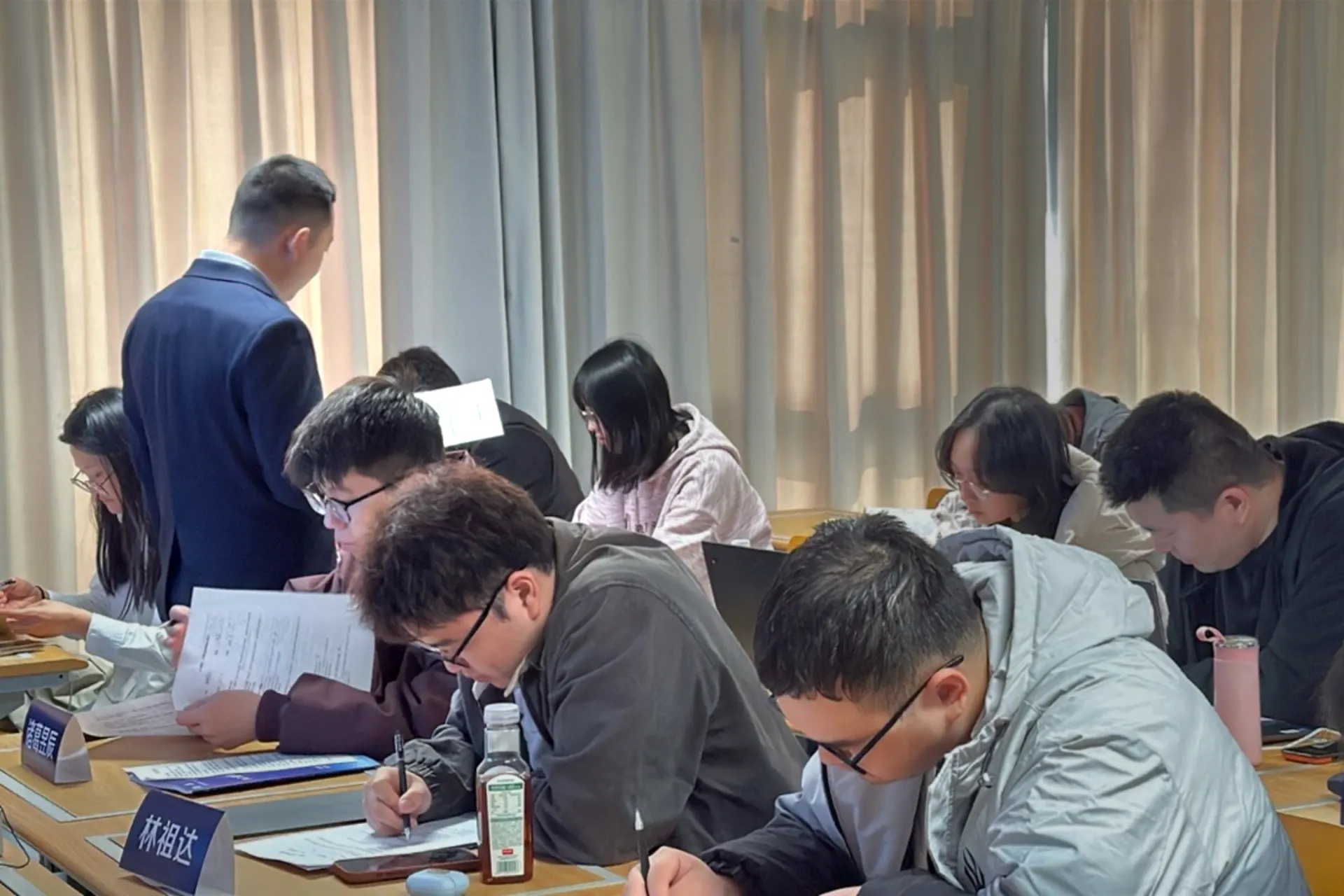
Computer training lab
Computer lab
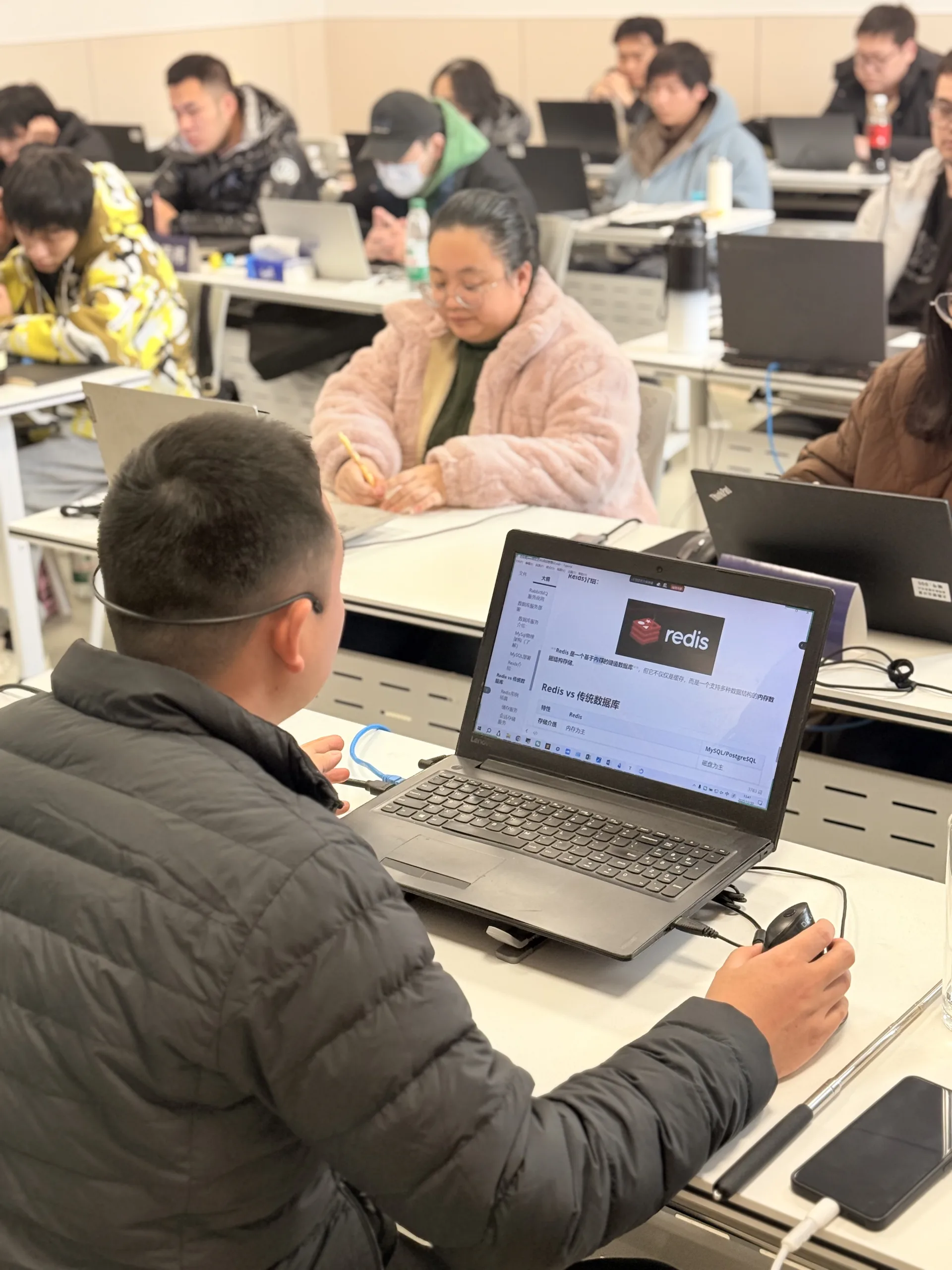
Classroom training session
Classroom practice
Student dormitory
Student accommodation
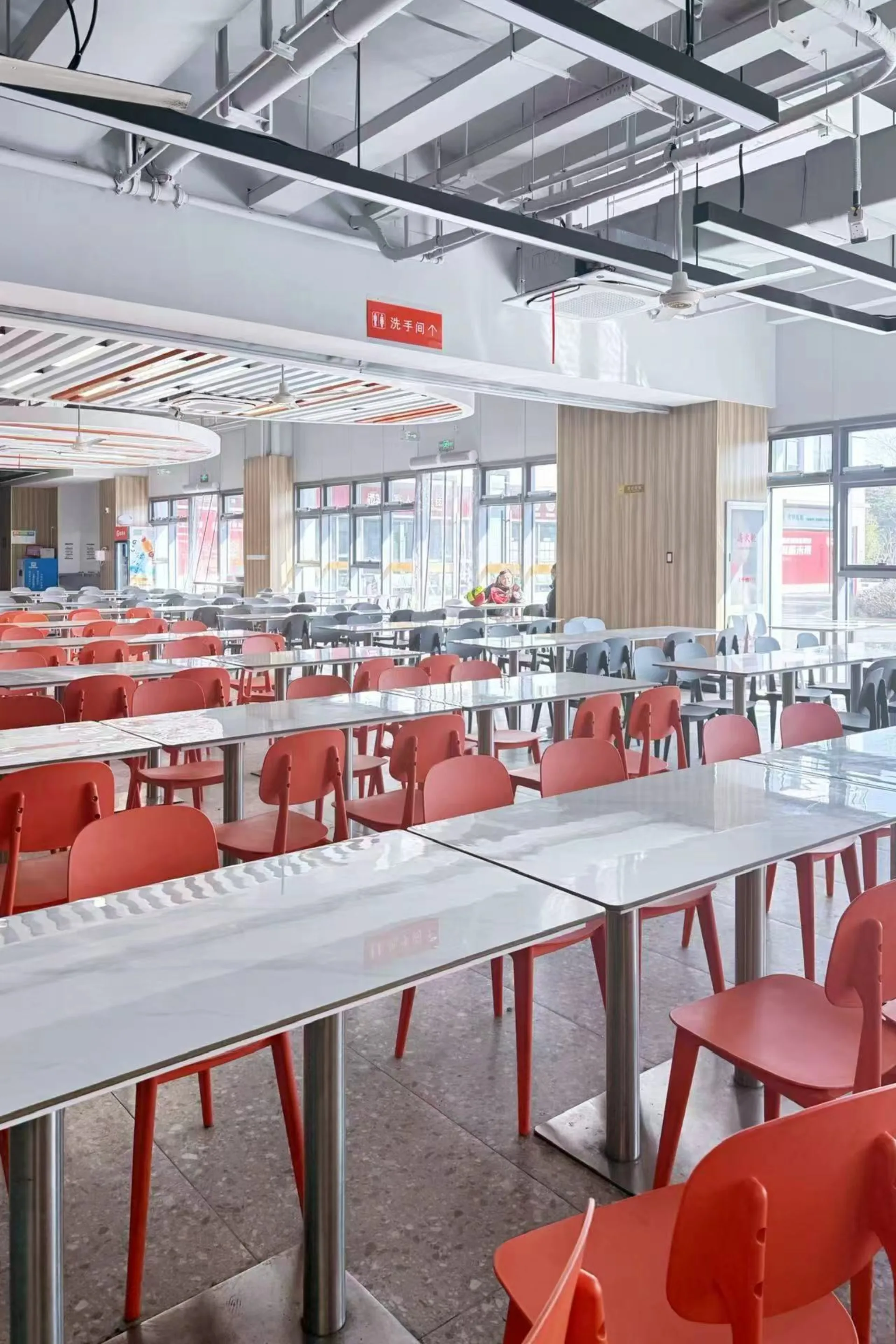
Campus cafeteria
Campus cafeteria
Zhejiang Talent Development Group campus buildings
Zhejiang Talent Development Group campus
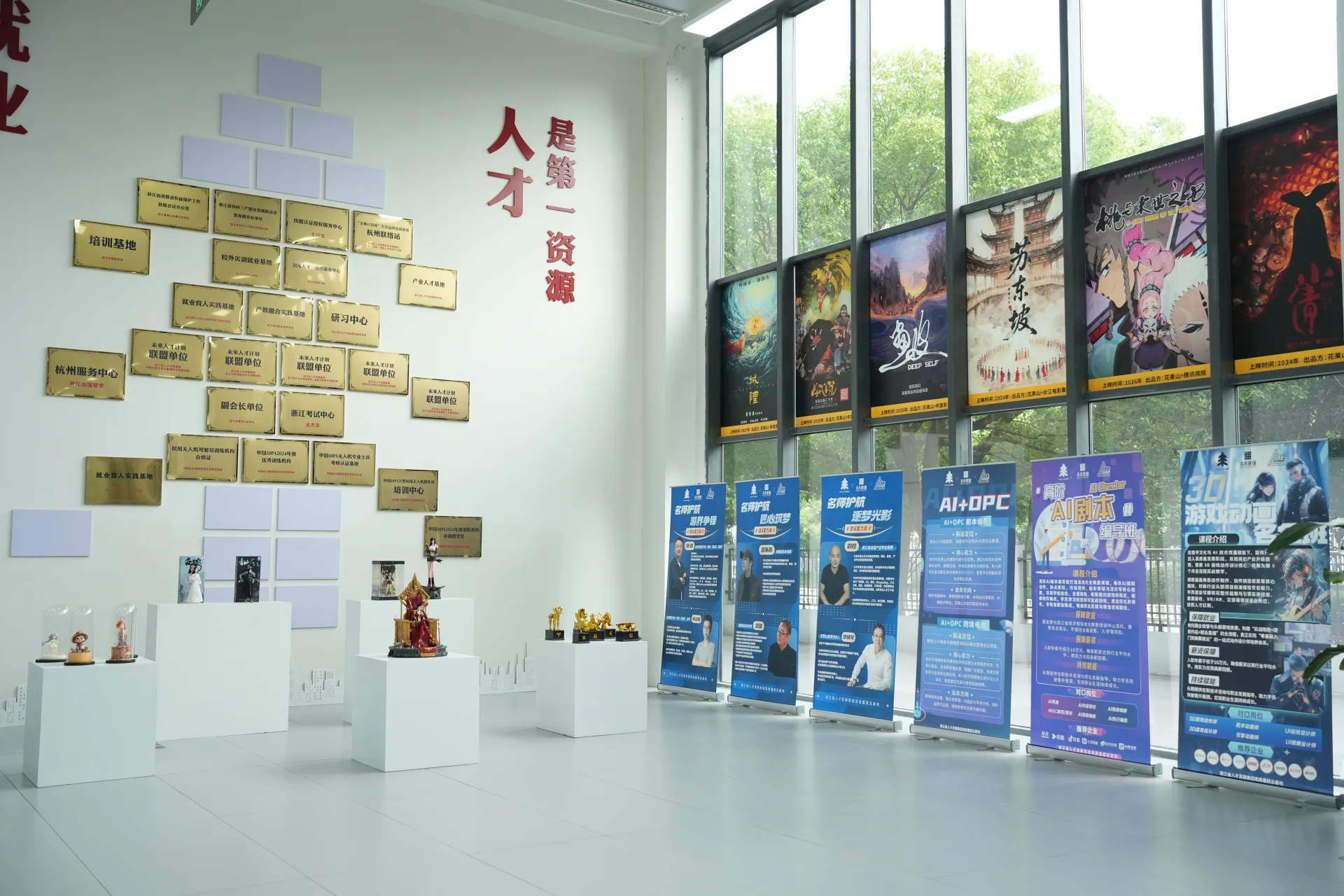
Employment base reception area
Reception area
Talent culture corridor
Talent resources exhibition hall
Learners practicing in a computer classroom
Computer-based classroom practice
Campus public dining hall
Public dining hall
Learner dormitory room at the Hangzhou employment base
Dormitory room

Before applying

Check eligibility before choosing a track

  • Each track has separate education, graduation-year, and background requirements.
  • The AI Model Operations track requires a full-time college degree or above and applies graduation-year conditions.
  • Creative tracks target current students and graduates with a full-time college degree or above, subject to program review.
  • Accommodation, transport, and some miscellaneous charges are generally excluded from the training fee.

Get current cohort and agreement details

Before enrollment, request the curriculum, fee schedule, and service agreement for your selected track and review every condition.

咨询资料

留下联系方式,招生老师将与您确认课程安排。

安全验证

Information updated:2026-09-28

Roles, compensation, seats, fees, and service conditions are governed by the current program notice and signed materials.

View public project materials